Perfecting the Art of Aluminum Casting for Efficiency
Wiki Article
Discovering the Art of Metal Casting: Strategies and Applications in Modern Foundries
Metal casting is a classic craft that combines creativity with engineering accuracy. From ancient methods to modern innovations, this procedure has developed considerably. Numerous techniques, such as sand casting and lost-wax casting, showcase the convenience of the medium. Meanwhile, technologies like 3D printing are reshaping just how foundries run. As the lines in between functionality and artistry blur, one have to think about just how these advancements influence both typical methods and modern applications. What exists in advance in this evolving landscape?The Fundamentals of Metal Casting
Metal casting, an essential process in manufacturing, includes putting liquified steel into a mold and mildew to attain a desired shape. This method acts as a structure in the production of complicated metal parts throughout numerous industries. Crucial element of metal casting consist of the option of products, which can vary from aluminum to steel, each selected for its certain residential or commercial properties and application suitability. The process begins with mold and mildew development, which can be made from sand, metal, or porcelains, depending on the casting method made use of. The molten metal is then meticulously poured into the mold, where it cools down and strengthens. Critical variables such as temperature level control, cooling down price, and mold design considerably affect the end product's top quality and characteristics. Furthermore, understanding the physical and chemical buildings of the metal aids in maximizing casting performance, inevitably improving the efficiency of the production process and making sure high-grade result customized to specific requirements.Typical Casting Techniques
Traditional casting strategies incorporate a selection of techniques that have stood the test of time, demonstrating their performance in generating intricate steel elements. One popular approach is sand casting, which utilizes a combination of sand and a bonding representative to create mold and mildews. The flexibility of sand casting permits the manufacturing of varied forms, making it ideal for both large-scale and small production. An additional significant method is financial investment casting, commonly utilized for complex and specific geometries. This method involves creating a wax pattern that is covered in a ceramic covering, which is then heated up to get rid of the wax, leaving a cavity for liquified steel. Additionally, die casting is made use of for high-volume production, where molten metal is injected right into multiple-use metal mold and mildews. Each of these typical methods continues to be pertinent, showcasing the craftsmanship and ability intrinsic in the art of steel casting, while satisfying the needs of different sectors.Modern Innovations in Metal Casting
As industries progress, developments in metal casting are improving manufacturing processes and enhancing effectiveness. Advanced technologies such as 3D printing and computer-aided design (CAD) are transforming mold and mildew creation, allowing for elaborate designs that were formerly unattainable. These approaches help with quick prototyping, decreasing lead times and cultivating creativity in product development.Furthermore, the integration of automation and robotics in factories is simplifying operations, minimizing human mistake, and increasing safety and security. Smart sensing units and real-time monitoring systems make it possible for accurate control of temperature level and product residential or commercial properties, guaranteeing better end results.
Sustainable practices are arising, with the use of recycled products and energy-efficient heating systems, minimizing environmental effect. The fostering of advanced alloys and composite materials is additionally broadening the possibilities of steel casting, resulting in stronger and lighter parts. On the whole, these modern-day developments are transforming steel casting right into a more reliable, accurate, and environmentally responsible sector.
Applications Throughout Different Industries
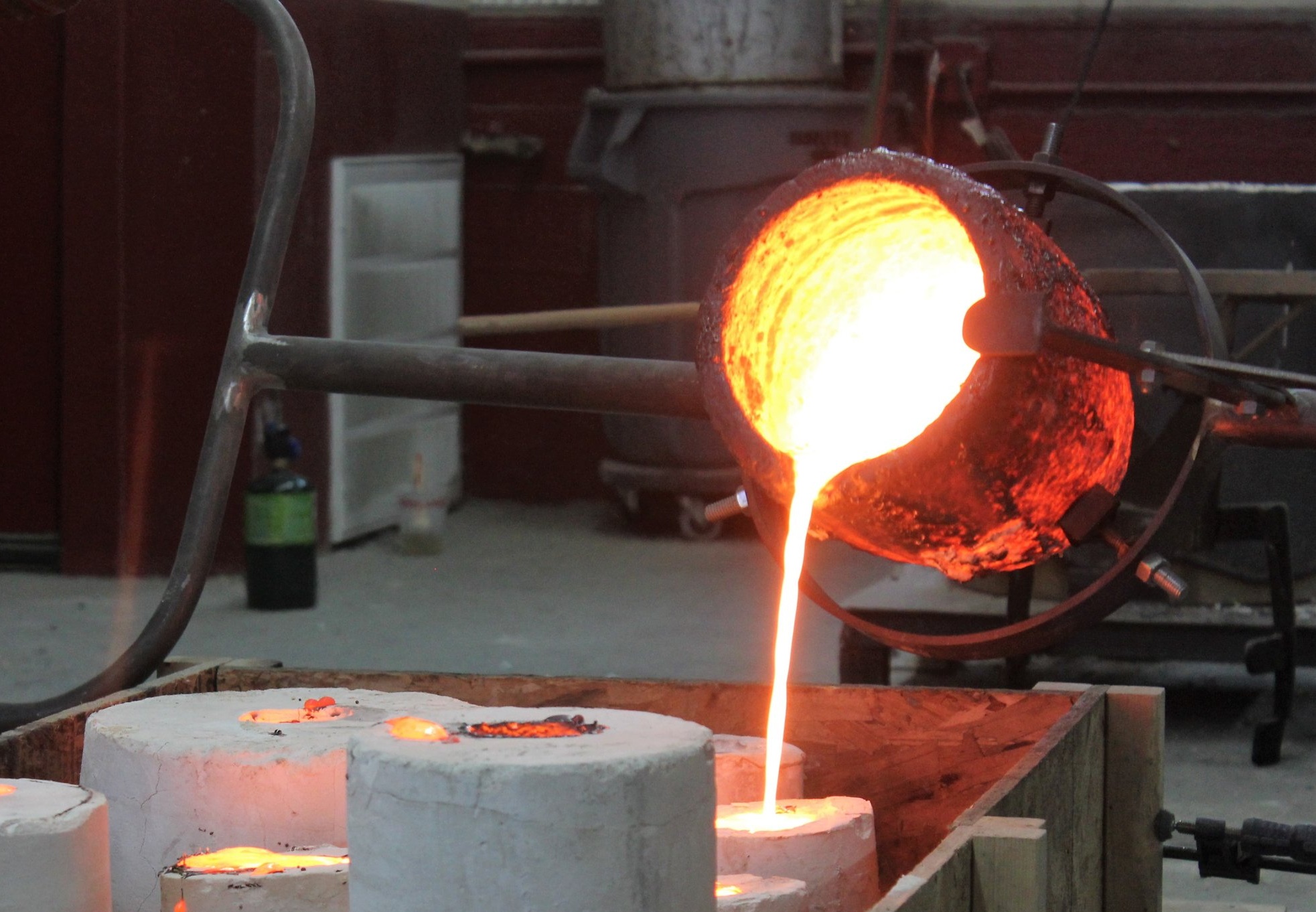
While diverse markets significantly depend on steel casting, the technique's adaptability plays an important function in conference details application requirements. In the automobile market, steel casting is vital for creating engine elements, transmission housings, and other elaborate parts that need accuracy and durability. The aerospace market gain from lightweight casted elements, making certain both performance and gas efficiency. Furthermore, the building and construction market uses metal casting for architectural components, such as beam of lights and supports, improving the stability of bridges and structures.
The energy field uses metal casting for turbine blades and other significant machinery that need to hold up against extreme problems. Medical devices likewise see applications of steel casting, specifically in surgical instruments and prosthetics, where precision is critical - Aluminum Foundry. Generally, the adaptability and integrity of metal casting make it indispensable throughout various areas, contributing to the innovation of modern technology and facilities in modern society
The Artistic Side of Metal Casting
Usually associated with commercial applications, metal casting likewise discovers its location in the domain name of art, where skilled artisans change liquified metal into detailed designs and meaningful sculptures. This imaginative side of steel casting incorporates varied techniques, including sand casting, lost-wax casting, and investment casting, each offering distinct possibilities for creative thinking. Musicians use these methods to create works that range from abstract kinds to lifelike representations, allowing for personal expression and discourse on modern issues.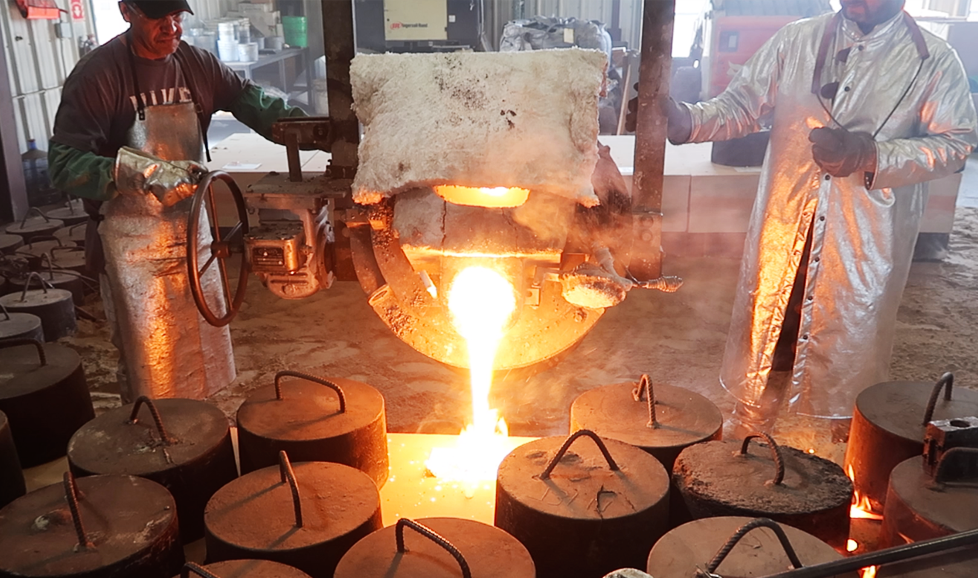
Often Asked Questions
What Safety Measures Are Essential in a Metal Casting Shop?
Essential precaution in a metal casting foundry include personal safety equipment, appropriate ventilation, emergency methods, training in handling liquified steels, regular tools upkeep, and clear interaction of risks to assure employee safety and wellness. Aluminum Casting.Exactly How Do Ecological Regulations Effect Metal Casting Processes?
Ecological regulations significantly affect steel casting procedures by mandating making use of cleaner innovations, minimizing discharges, and advertising waste administration methods. Compliance usually calls for investments in equipment, more info training, and adjustments to existing treatments to minimize environmental impact.What Are the Common Flaws in Metal Castings?
Common problems in steel spreadings include porosity, shrinking, additions, and misruns. These problems can develop from incorrect mold style, insufficient temperature control, or contamination, inevitably affecting the architectural integrity and overall top quality of the last item.Just How Is Waste Managed During Metal Casting Manufacturing?
Waste monitoring in steel casting manufacturing involves recycling scrap steel, implementing efficient material use, and making use of advanced technologies to reduce waste. Factories take on practices like sand reclamation and proper disposal techniques to minimize ecological influence.What Career Opportunities Exist in the Metal Casting Market?
The metal casting market provides varied occupation opportunities, including duties such as factory manager, metallurgical engineer, quality assurance examiner, pattern maker, and manufacturing manager, catering to different ability and competence in making procedures.Metal casting, a crucial process in manufacturing, includes putting molten steel into a mold to attain a preferred form. Furthermore, die casting is used for high-volume manufacturing, where liquified metal is infused into reusable metal molds. While varied industries significantly rely on metal casting, the method's versatility plays a vital role in conference details application requirements. Often associated with commercial applications, steel casting also discovers its place in the domain of art, where competent craftsmens transform liquified steel into elaborate layouts and meaningful sculptures. Waste monitoring in steel casting production entails recycling scrap metal, implementing effective material usage, and making use of sophisticated modern technologies to decrease waste.
Report this wiki page